
What is the PPD Test? Complete Guide to Tuberculosis Skin Testing
Understanding medical tests is important for early diagnosis and prevention. One commonly used test for detecting tuberculosis exposure is the PPD test. Many people search for what this test is, how it works, and when it is required.
This guide explains everything in simple terms so you can clearly understand the purpose and process of the PPD test.
What is the PPD Test?
The PPD test, also known as the tuberculin skin test, is used to check if a person has been exposed to tuberculosis bacteria.
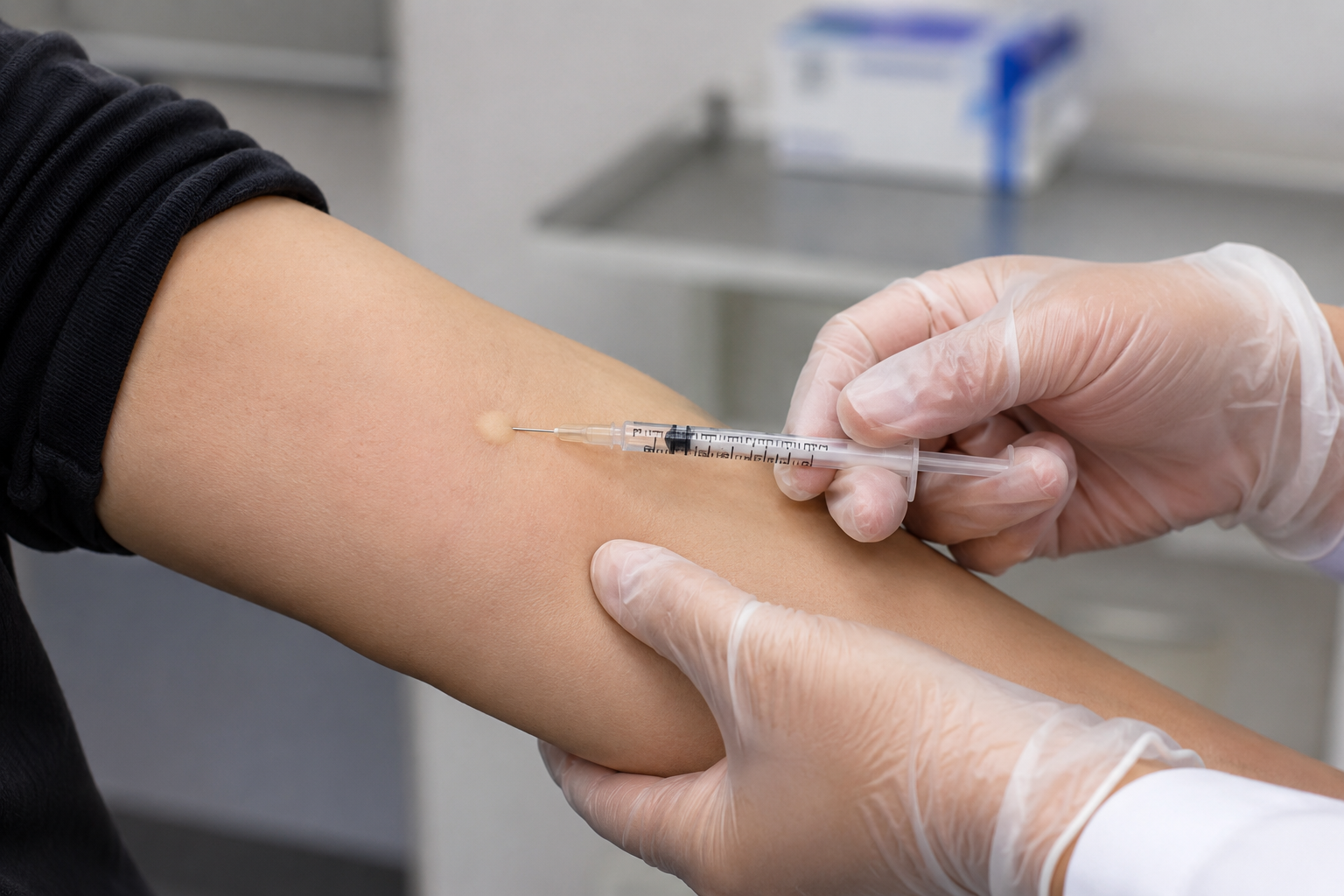
It involves injecting a small amount of purified protein under the skin and observing the reaction after a specific time. The test helps identify whether the immune system has responded to the bacteria before.
What Does PPD Stand For?
PPD stands for purified protein derivative. It is a substance derived from the bacteria that cause tuberculosis.
This protein is used in a controlled way to test how the body reacts, without causing the disease itself.
Why is the PPD Test Done?
The PPD test is mainly used to detect tuberculosis infection at an early stage.
Doctors recommend this test for:
-
People who have been in contact with TB patients
-
Healthcare workers
-
Individuals with weak immune systems
-
People applying for jobs, visas, or medical screenings
Early detection helps prevent the spread of infection and allows timely treatment.
How Does the PPD Test Work?
The process is simple and quick.
Step 1: Injection
A small amount of PPD solution is injected under the skin, usually on the forearm.
Step 2: Waiting Period
You need to wait 48 to 72 hours before the result is checked.
Step 3: Reaction Measurement
A healthcare provider examines the injection site to measure swelling or hardness.
The result depends on the size of the reaction and the individual’s risk level.
What Do PPD Test Results Mean?
The results are based on the size of the raised area on the skin.
-
Small or no swelling usually means negative result
-
Larger swelling may indicate exposure to tuberculosis
However, the interpretation depends on medical history and risk factors, so a doctor’s evaluation is necessary.
Difference Between PPD Test and Blood Test
There are two main ways to test for tuberculosis:
-
PPD skin test
-
Blood test
The PPD test is simple and widely used, while blood tests may provide more specific results in some cases.
Is the PPD Test Safe?
The PPD test is generally safe and widely used around the world.
Some people may experience:
-
Mild redness
-
Slight swelling
-
Minor itching
These effects are temporary and usually go away on their own.
Who Should Take the PPD Test?
This test is recommended for people at higher risk of exposure.
Common cases include:
-
Healthcare professionals
-
People living in high-risk areas
-
Individuals with weakened immune systems
-
Those required for screening before travel or employment
How to Prepare for the PPD Test
There is no special preparation required.
However, you should inform your doctor if:
-
You have had a previous TB infection
-
You received a BCG vaccine
-
You have any skin conditions
This helps ensure accurate interpretation of results.
Benefits of the PPD Test
The PPD test plays an important role in public health.
Key benefits include:
-
Early detection of tuberculosis exposure
-
Helps prevent disease spread
-
Simple and quick procedure
-
Widely available and cost-effective
Common Mistakes to Avoid
To ensure accurate results, avoid these mistakes:
-
Not returning for result reading within 48 to 72 hours
-
Scratching or irritating the test area
-
Ignoring medical advice after a positive result
Quick Summary
-
The PPD test checks exposure to tuberculosis
-
It involves a small skin injection
-
Results are read after 48 to 72 hours
-
It helps in early detection and prevention
Frequently Asked Question
What is the PPD test used for?
The PPD test is used to detect whether a person has been exposed to tuberculosis bacteria.
Is the PPD test painful?
The test involves a small injection and causes minimal discomfort.
How long does it take to get results?
Results are checked after 48 to 72 hours.
Can the PPD test give false results?
Yes, in some cases results may be affected by factors like vaccination or immune conditions.
Do I need treatment if the test is positive?
A positive result does not always mean active disease. A doctor will recommend further tests if needed.
Conclusion
The PPD test is a simple and effective way to detect tuberculosis exposure. It plays a key role in early diagnosis and helps prevent the spread of infection.
Understanding how the test works and following proper guidelines ensures accurate results and better health outcomes.
